Charting a nation’s spirit
If the French have Champagne, the Mexicans have tequila, and the Russians vodka, then cachaça is the spirit that translates the Brazilian soul through a bottle.
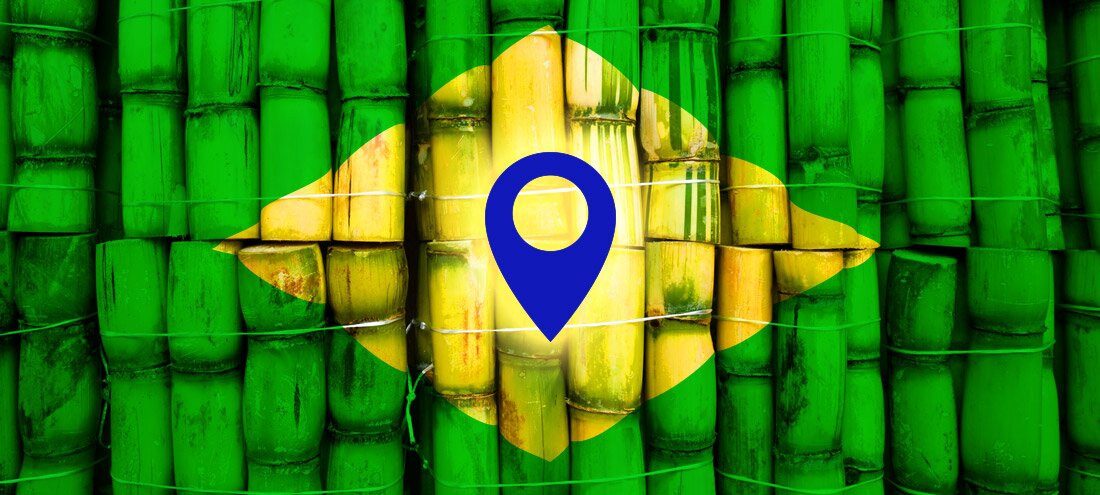
Cachaça, the distillate from fermented sugar cane juice, is a drink bound up with the history and geography of its home country. As Brazil’s main distilling tradition, its producers have spread the length of the country and developed from small home distilleries to large industries, producing 800 million litres of the spirit a year – 30% from small-batch producers. Since the first sugar cane mills appeared, a few years after Europeans discovered Brazilian territory in 1500, the cachaça market has grown and evolved appreciably. The quality of the spirit has improved: despite being 40% ABV, it has become much smoother, more aromatic and more balanced in flavour.
Since beginning his study of cachaça, partly out of curiosity and partly for fun, researcher Felipe Jannuzzi discovered that cachaça in Brazil is a universe in itself. To shed light on this, and to try and tell the story of the country through one of its most important products, he and Gabriela Barreto began to map cachaça producers throughout the country, in a project he named Mapa da Cachaça (The Cachaça Map). The map acts as a reference and guide and the focus for the community around the drink, and was recognised in 2012 by Brazil’s Ministry of Culture as the best cultural mapping project in the country. Jannuzzi says the project helped him discover a variety of the spirit that he had never imagined existed.
The new frontier for cachaça now is in the use of Brazilian wood to age the spirit. Along with researcher Dr Aline Bortoletto, from the University of São Paulo, Jannuzzi wants to test the potential of a hundred Amazon woods to age cachaça – and discover what flavours and aromas each one of these native woods can give the spirit. This is one way of proving that instead of common oak, the use of amburana or balsam can produce cachaça with a more Brazilian soul. Jannuzzi explained the project to Hot Rum Cow.
How did the idea of The Cachaça Map come up? Why map the artisanal production of cachaça in Brazil?
The Cachaça Map arose when we were at university – it really was a barroom conversation. We’d always been curious about those shelves teeming with interesting, diverse –even funny – cachaça labels. At first, we wanted to learn more about this cultural heritage, but when we started to understand the sensory quality and the historical richness of many producers, we decided to map the distilleries as a way of revealing this almost forgotten side of Brazil.
In the early years, was the focus more cultural and historical? What were the project’s main achievements?
It’s possible to tell the history of Brazil by talking about cachaça. The first examples were distilled in Brazil at the beginning of the 16th century and they accompanied the expansion of our frontiers and economic booms. Looking at gastronomy in order to understand the history of a country is something very worthwhile. We have been recognised by the Ministry of Culture twice. In 2012, we received recognition as the best cultural mapping project in Brazil. In 2014, we received a federal summons to represent Brazilian gastronomy at the World Cup, and the same project has now recently won an international prize at The Gourmand Awards, which highlight the main international publications on gastronomy. We represented Brazil with a publication launched in 2014 in which we selected 100 establishments in 12 state capitals where you can try good cachaça and experience the best of Brazilian cuisine.
“We want to be a reference for quality and explain to the consumer the importance of valuing good producers”
Is the focus of your work now more sensory?
Yes. It’s hard work because cachaça is sensorially very complex. We want to be a reference for quality and explain to the consumer the importance of valuing good producers. Producing well-made artisanal cachaça is lengthy, difficult and expensive work. Making cheap and nasty cachaça may be the least expensive way of producing a spirit – you can see how cheap some brands are. To show these differences, we want to create and share information: write books, texts for professional sites, make videos, hold events, etc. Today, in partnership with other sugar cane researchers, we are creating an evaluation methodology. The first step was the creation of a unique cachaça aroma wheel. Did you know, for example, that cachaça can smell of vanilla or geranium? With this research, we identified more than 70 aromas in different types of cachaça.
Can you describe the development of the aroma wheel?
The cachaça aroma wheel was a project that I carried out with Dr Aline Bortoletto from the University of São Paulo. The project was divided into three main parts: bibliographic research, in which we studied many things already done in the area of the sensory analysis of cachaça, rum, whisky and wine; chemical analysis, in which we selected the main chemical congeners of cachaça and searched for their corresponding aroma (for example, ethyl acetate, an ester heavily present in cachaça, smells like apples); and finally, we drank a lot of different cachaças – good, bad, aged in different woods, different vintages, and using different sugar canes.
You have been studying what native woods give to cachaça in terms of notes, and palate and aroma characteristics. Can you describe this work?
We are already doing this with woods most commonly found in the market. It’s research we’ve been doing since 2012. Before publishing the results, we want to make advances in the methodology and launch a book in 2015. I’m developing content that will go onto The Cachaça Map in the coming months and we should have an even broader result this year.
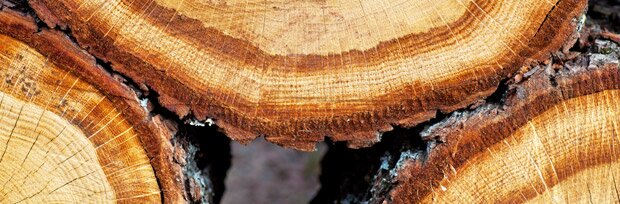
How Brazilian wood affects the spirit
Amburana – or umburana
Amburana cearensis
Reduces the acidity of cachaça and controls the alcohol, leaving the drink softer. Main aromas are cinnamon
and vanilla.
Balm
Myroxylom balsamum
Strongly aromatic wood, which has a big influence on the original characteristics of cachaça. Among the aromas, highlights are clove and anise.
Peanut
Pterogyne nitens
Lowers acidity and gives the drink a very soft yellow colour, though almost imperceptible. The main aromas are sugar cane and white flowers.
Jequitibá
Cariniana estrellensis
Eliminates the faint taste of sugar cane bagasse, without changing the colour. Decreases the acidity of cachaça, softening and rounding the palate.
For more information visit www.mapadacachaca.com.br/guia
Enjoy this article?
This is an excerpt from Hot Rum Cow Issue 7 which is available to buy in our shop. Buy magazine