
Worth trying: Shochu
Shochu was originally used as a medicinal disinfectant. It’s mouldy, earthy and damp. Yet with sales now surpassing sake, it’s Japan’s new national drink
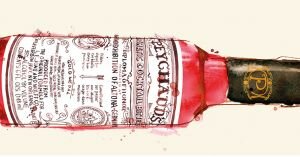
Its origins lie in 16th-century Persia where from it travelled east through the Indian subcontinent and Thailand before arriving in Japan. Like sake, it is produced from fermented starch. While sake remains specifically a fermented rice wine, shochu is distilled in traditional wooden stills using a variety of grains, vegetables and seeds. These range from rice, barley and buckwheat, to chestnuts, carrots and, in the case of Satsuma’s Kuro Shiranami (pictured), sweet potatoes.
The end product is an acquired taste: a sweet-tasting, clear spirit containing anywhere between 25 and 35% alcohol by volume, and with a distinctly earthy taste relatively alien to the Western palate. Until recently, shochu was widely considered a cheap, low-quality drink associated with the country’s alcoholics. Now, though, it is big business.
There is no one way to enjoy shochu. It’s customarily diluted with water and warmed in a traditional cast-iron kettle (a joka) before being served in small tasting cups, but equally popular methods include drinking it neat, on ice, with soda water or in cocktails.


Enjoy this article?
This is an excerpt from Hot Rum Cow Issue 6 which is available to buy in our shop. Buy magazine



Leave your comment