

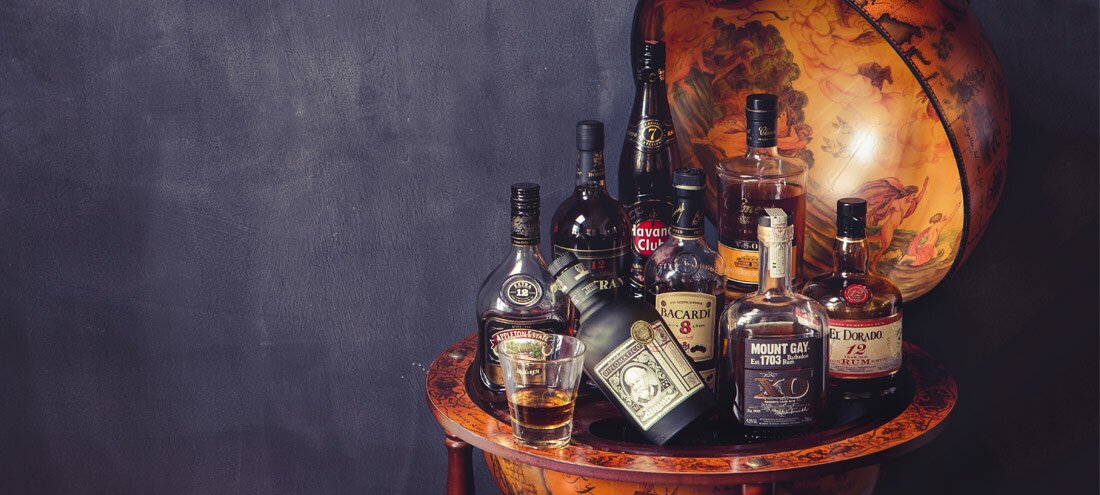
Yo-ho-ho and a guide full of rum
Navigate the world's best rum producing regions with Hot Rum Cow, one bottle at a time
A spirit so wrapped up in a colonial patchwork of vibrant traditions, it’s little wonder that the contemporary styles of rum washing up on shores around the world today are legion. For just as no two islands in the Caribbean are alike, no two rums produced therein taste alike.
With the expert navigation of Global Rum Ambassador Ian Burrell, the good ship Hot Rum Cow sets sail to chart eight of the world’s most revered regional styles of rum, complete with outstanding recommendations of each. So, what say we splice the mainbrace?
Barbadian
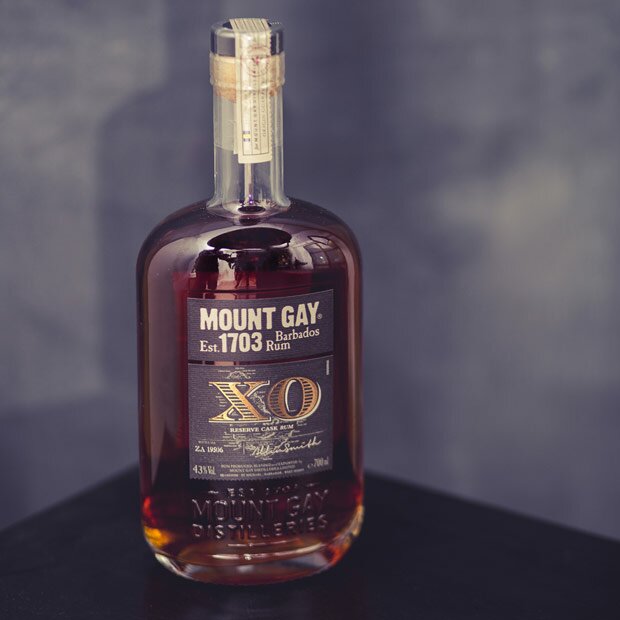
Barbados, the spiritual home of rum. Historically, Barbadian rum wasn’t as heavily exported as Jamaican – rather, the majority of it was consumed locally. As such, it didn’t get significant traction at that early stage. Barbadian rums today, however, are some of the most revered spirits in the world bar none. They’re often blends comprised of light and dark rums from both column and pot stills, and are thus highly complex in flavour.
Who’s it for?
The entire island of Barbados.
How to enjoy
Traditionally mixed with coconut water.
Which should I try?
Mount Gay XO (Shop affilliate)
They say
A full array of flavours courtesy of the individual rums used in the blend: plenty of oak and fruit, tropical banana, some caramel, cacao, chocolate and a little bit of toffee, with a slightly dry medium-long finish.
We say
Distinctly sweet with positive notes of bourbon, spice, cherry, toffee and burnt sugar. The coconut water mixer fell short of expectations – probably better on a beach in Barbados than in an office in Leith.
Jamaican
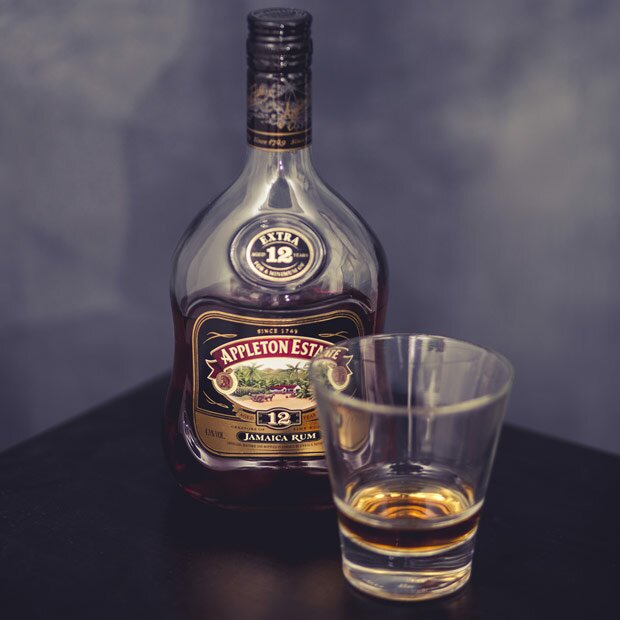
The size of the island and its thriving trade links with both Britain and and America led to Jamaica’s purloining of the Barbadian mantle, the spiritual home of rum. This, coupled with the fact that Jamaican rum was unprecedentedly heavy, gave rise to a style of rum which to this day remains one of the most prominent in the world. Largely produced in pot stills, Jamaican rum is known to be rich, aromatic, robust and long on the finish.
Who’s it for?
The connoisseur – someone who enjoys lots of flavour, like a single malt drinker or a mescal drinker, and who is very discerning about the spirits they drink.
How to enjoy
Try Jamaican rum neat first before mixing it with an equal quantity of a favourite mixer and one big cube of ice.
Which to try
Appleton 12 (Shop affilliate)
They say
All the initial bite you’d expect from a 43% ABV spirit, quickly evaporating off the palate leaving behind softer notes of chocolate, spice, brown sugar, a little orange peel and orchard fruits, particularly apricot. A long finish comprised of heavy notes of wood, leather, tobacco and cacao.
We say
Liquid Werther’s Originals. A heavy rum, similar to a good whisky, with treacle and raisin notes aplenty.
Demerara
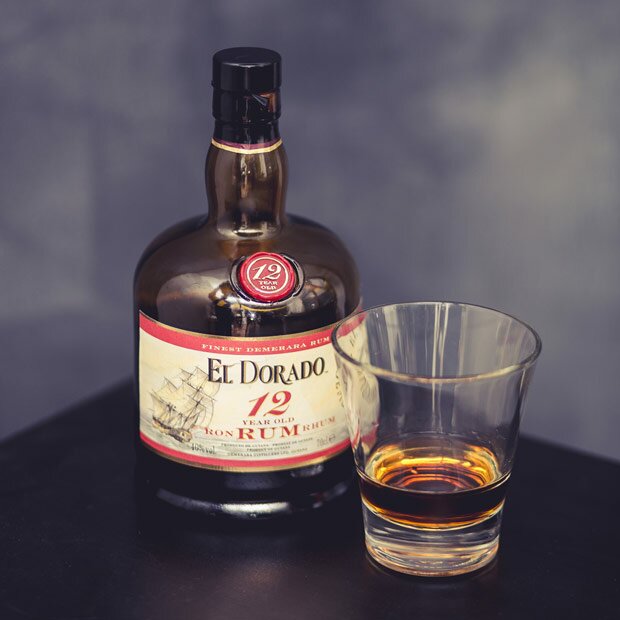
Guyana, a sovereign state on the Caribbean coast of South America, has a perfect climate for sugar production. The rum produced therein today retains the title of Demerara, that being the name of the historical Guyanese region first colonised by the Dutch and later by the British. The state has one distillery that, producing rum in the English style, relies on a backbone of pot-distillation using the world’s last active wooden pot stills. Blended with column-distilled ones, the resulting spirit is endlessly variable but generally very sweet, fruity, robust and smoky.
Who’s it for?
The dark spirit cocktail aficionado.
How to enjoy
If not neat then used in an old-fashioned cocktail: a dash of bitters, some ice, water, a sugar cube and some citrus zest.
Which to try
El Dorado 12 (Shop affilliate)
They say
Toffee and vanilla on the nose with some oak, spices and a bit of smoke. On the palate there is caramel, cacao, cherry, prunes, spices and some sweet vanilla. It’s got a long, smooth finish.
We say
A slightly solvent aroma (“reminiscent of Warhammer models”) didn’t lessen the appeal of this rich, woody, smoky and toffee-like rum. Especially popular amongst the panel.
French Caribbean
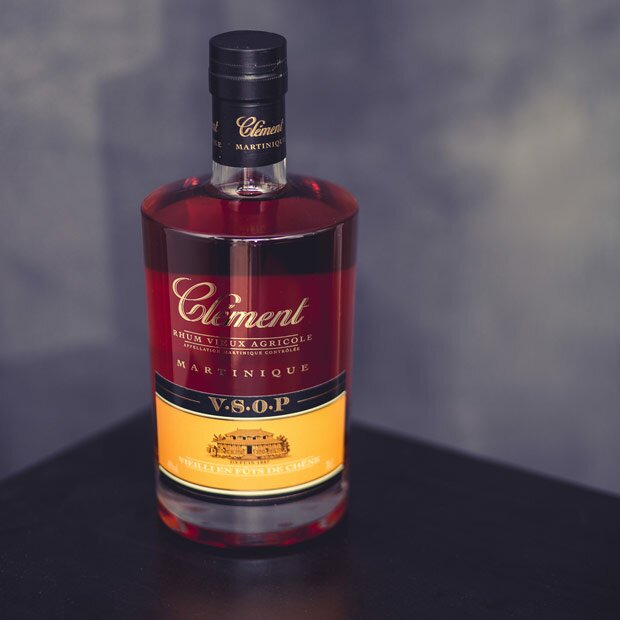
The French Caribbean is famed for its rhum auricle, or agricultural rum, a style produced from fresh sugar cane juice as opposed to molasses. This unique raw ingredient results in a completely different set of aromas and flavours in the final spirit. What’s more, rhum auricle is usually aged in both American oak and Limousin oak casks, the later of which are used in the production of Cognac. Rhum auricle offers up distinctly herbaceous aromas, possesses a big warm, robust mouthfeel, and hosts lots of woody flavours.
Who’s it for?
Your typical Cognac or Armagnac drinker.
How to enjoy
Usually neat or in a Ti’ Punch by mixing with fresh lime juice and sugar.
Which to try
Clément V.S.O.P. (Shop affilliate)
They say
Oak notes and grassy aromas with hints of caramel (although not too much because Martinique rum distillers take pride in not adding caramel for consistency of colour). On the palate there are boiled sweets and orange. A very dry rum with little sweetness and a medium-long finish.
We say
Polarising and evidently an acquired taste. An aggressive and woody number, which prompted some colourful comparisons – notably “a red apple left in a lunchbox” and “the scent of pansies”.
Cuban
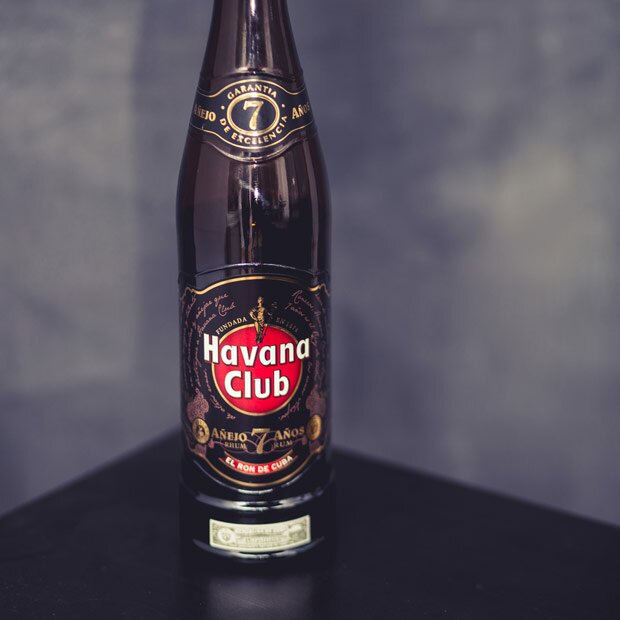
Cuba was one of the first islands in the Caribbean to really embrace the industrial revolution, resulting in the creation of a light Spanish-style rum produced using new equipment and technology, and which is now synonymous with the island. The Cuban definition of heavy would be seen as the opposite in Jamaica, so theirs is a particularly light rum. Blends usually consist of heavy, raw rum (aguardiente) and light rum, which has been redistilled several times until it is almost vodka-like. The resulting rum is then aged, during which time it notably absorbs the distinctive DNA of the Cuban terroir.
Who’s it for?
Those experimenting in the world of rum due to its easy drinking nature (although equally revered by connoisseurs).
How to enjoy
The Cuba Libre, naturally, works every time.
Which to try
Havana Club 7 (Shop affilliate)
They say
Lots of smoke, tobacco and oak, with some fruity notes of citrus, green apple and pear associated with a lighter spirit. There’s an initial sweetness and a touch of sherry, ending with a dry, medium-short finish.
We say
Uncomplicated and accessible to some, bland to others. A sweet and smooth rum combining notes of butterscotch and rolling tobacco.
Puerto Rican
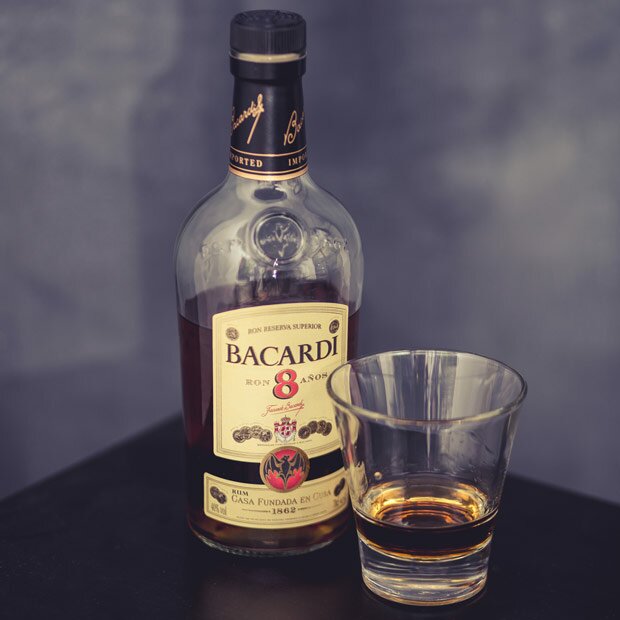
Puerto Rico is one of the largest rum producers in the world, crafting spirit for some of the world’s most famous brands. Its rums are direct Spanish descendents of Cuban, only drier and lighter still. An appellation is in place in Puerto Rico dictating that their rum must only be aged for a minimum of one year to be called rum, including the white variety (although this is consequently charcoal filtered to take out colouring). As such Puerto Rican rum is light in taste, relatively clean, very easy to drink and yet subtly complex.
Who’s it for?
Someone looking to move on from gin and/or vodka.
How to enjoy
Another one for an old-fashioned cocktail, or with an equal quantity of your favourite mixer over ice.
Which to try
Bacardi 8 (Shop affilliate)
They say
Cuban recipe, Puerto Rican style. Subtle with aromas of light fruit, zesty fruits, cooked apples, treacle and light wood. It’s a medium rum with a fraction of the smoke found in Cuban rum and a dry finish.
We say
Unassuming on the nose although smoke is present. Light wood dominates the palate – “tastes like a sauna smells”.
Central American
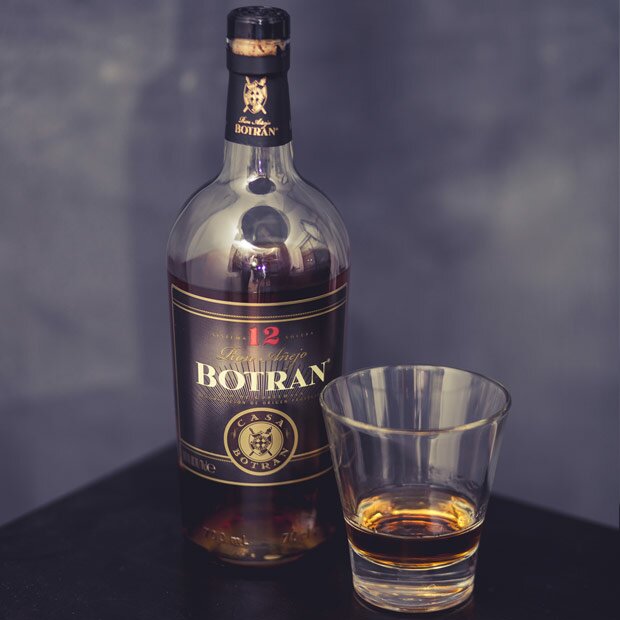
Central American rum is heavily influenced by the Spanish style, with some producers even embracing their ancestral sherry-making traditions by blending younger rums with older ones, marrying them over the course of time in a tiered solera system. This way, the older rum educates the younger rum to create a consistent product but one which can differ massively throughout the region. Thus, rum with a sherried finish has become the traditional style throughout Central America. Their rum is often made from sugarcane syrup as opposed to molasses or fresh sugarcane juice, and can range from being very dry to very sweet.
Who’s it for?
Either one new to rum or the seasoned sherry veteran with an open palate.
How to enjoy
A beautiful sipping spirit with ice or great in a rum Manhattan.
Which to try
Ron Botran 12 (Shop affiliate)
They say
Finished in sherry casks according to the solera system, it has a dominant oak nose but with a lot of fruit also. Dried apricots, cloves, cinnamon and caramel combine in this complex, medium-dry spirit.
We say
This one lets you know you’re drinking a spirit. The panel agreed that, although initially nondescript, it quickly evolved into a dry, spicy and nutty rum.
Venezuelan
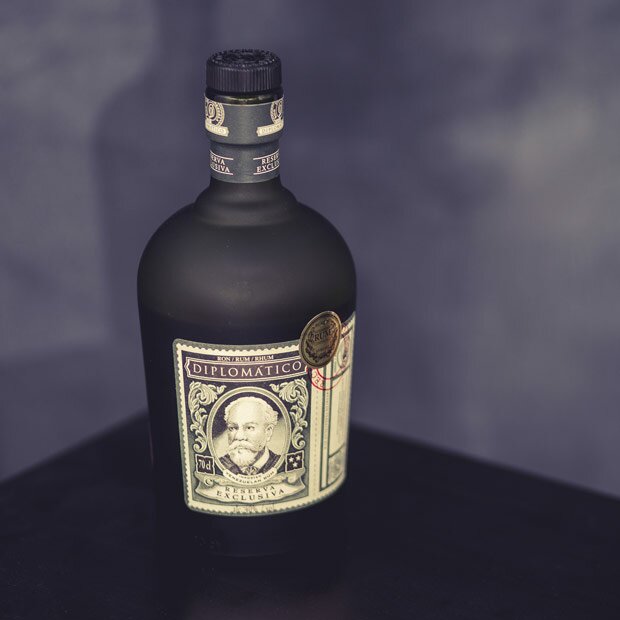
Although a former Spanish colony, Venezuela has long been producing rum that is heavily influenced by the English style and therefore unique in its category. Venezuelan rum must be aged for at least two years, meaning that blends start off with relatively complex bases courtesy of their individual products. Moreover, blends are a combination of pot- and column-distilled rums often produced from both molasses and the more Spanish-style fermented sugarcane syrup, resulting in beautifully crafted hybrid spirits which are invariably sweet on the palate.
Who’s it for?
For those who think all rum is big, heavy and harsh.
How to enjoy
As a neat digestif with a cigar, specifically one with nice, big, heavy, leathery, tannic flavours.
Which to try
Diplomático Reserva Exclusiva (Shop affiliates)
They say
A very sweet rum blend containing aged sugars that lends itself to the end of a meal. It presents lots of banana, caramel and brown sugar notes – very much like banoffee pie, in fact.
We say
The definitive winner, positively laden with coconut, honey, banana and milk chocolate notes. Pleasantly reminiscent of a Roses strawberry cream.

Enjoy this article?
This is an excerpt from Hot Rum Cow Issue 7 which is available to buy in our shop. Buy magazine




Leave your comment